
General information
The homeland of Vietnam has many sweet and fragrant fruits, one of which is bananas, a familiar specialty of the countryside. Referring to banana, no one can forget its characteristic shape, color and taste. This is a long domesticated fruit with many different types and names. There are hundreds of varieties of bananas grown in Vietnam, mainly as follows:
Banana Areca: is a small, round and slightly berry-like fruit. This banana tree in the right season can produce a lot of fruit. Cau Banana is very popular among rural people in Central and South Vietnam.
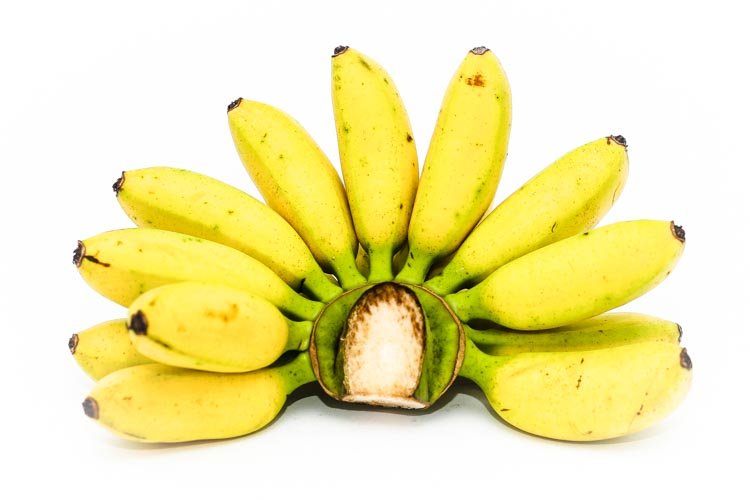 Photo: fsf.com.vn
Ngu Banana: People often think that Cau banana is not yet ripe, so it is sometimes similar to Ngu because both bananas are similar in shape, color and size. Therefore, farmers often have confusion between these two types of bananas. To differentiate, keep in mind that the banana tree is flowering with a fruit density closer to that of the Ngu Banana tree. In addition, Ngu Banana has a very different aroma, very fragrant, sweet and delicious to eat.
 Photo: chodulich.com.vn
Pepper Banana: A bunch of Pepper Bananas is usually only 10 fruits. This type of banana has a curved shape like a crescent. When unripe, bananas are dark green. When ripe, it turns bright yellow and looks very eye-catching. Bananas, whether green or yellow, are edible.
 Photo: thuocdantoc.org
Banana seed: In addition to the name banana seed, people often call it acrid banana due to its taste. Although the taste of this banana is not very popular, it has many uses. Hot bananas have an ivory white core, as the name suggests, this type of banana has a lot of seeds. Acrid bananas have a bitter taste, so they are often eaten with raw vegetables or soaked in wine.
 Photo: thuocdantoc.vn
How to eat
In other countries, everyone is used to eating bananas. Usually, they peel the banana from the stem. Due to the gravity of both the banana and the part attached to the stem, this part is usually stiff and strong. Therefore, we tend to peel the bananas out of this part.
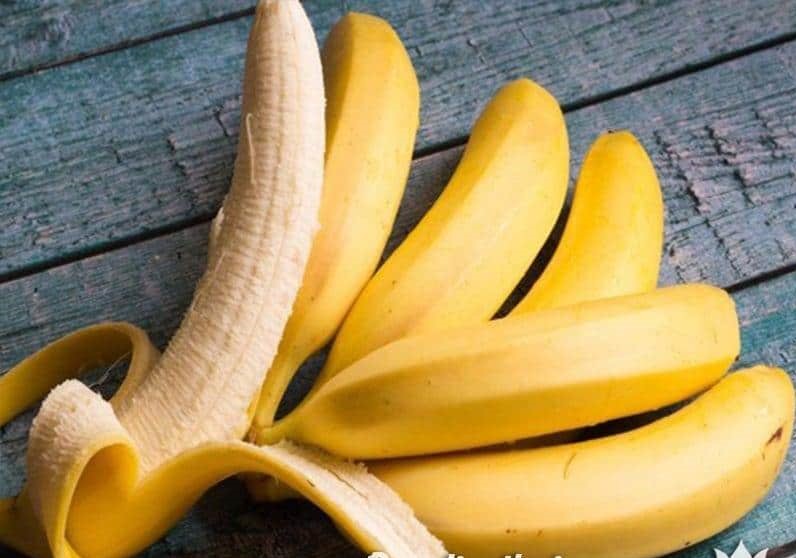 Photo: duoclieuthaison.com
However, in Vietnam, there is another way of peeling bananas. From a very young age, little girls in Ha Thanh – Hanoi today – are often told by their mothers to break bananas in half before eating because it will be more polite. Of course, for short-sized bananas like Western Banana or Ngu Banana, you just need to peel the skin, no need to break it in half.
Where are bananas grown in Vietnam?
Bananas are easy to find all year round because of their easy-to-grow characteristics and adaptability in many environments. For Cau Banana, farmers often buy these banana varieties from the lowlands to propagate, graft and plant on their Ha Nam garden land. Its sibling, Ngu Banana, is also grown in similar areas. In fact, Ha Nam province is said to be the largest source of distribution of Ngu Bananas in Vietnam. On the other hand, Chuoi Tieu is suitable for humid places with regular rainfall throughout the year. Thus, the Red River Delta is a suitable place to grow this pink pepper banana variety.
Benefits of bananas
Banana is one of the most attractive fruits in the world with not only delicious taste but also many health benefits. This fruit has many nutrients that help reduce swelling, lose weight, boost the nervous system and produce white blood cells. Moreover, bananas also provide antioxidants, vitamin C, vitamin B6 to help increase exercise performance, cure nausea when drunk and overcome mental breakdown.
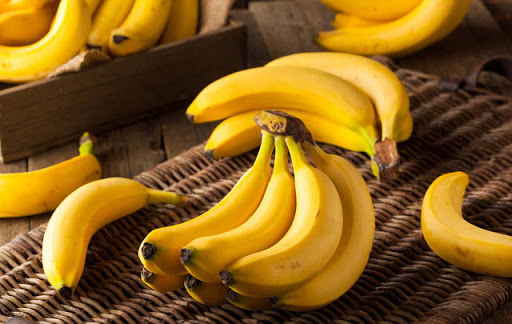 Photo: vnhoinhap.com
Food made from bananas
Not the usual boring fruit, you can learn how to make a lot of interesting and delicious, sweet and savory dishes from bananas. Creative dishes that are both delicate and simple but extremely attractive can be mentioned as: Banana tea, banana ice cream, banana cake, smoothies or savory dishes such as banana bean soup, braised fish with green banana, etc. Early.
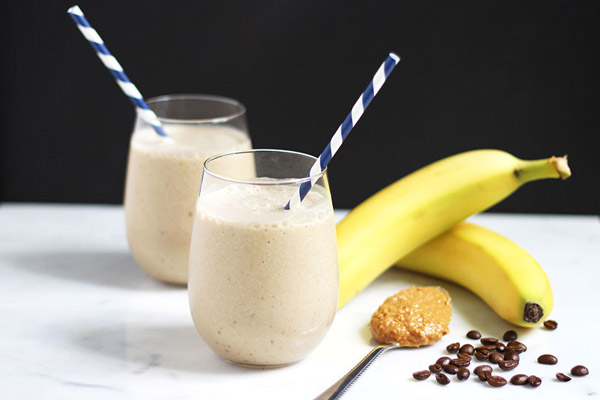 Photo: beptruong.edu.vn
Source: https://traveland.com.vn